

In the center of Tokyo, where office towers, government buildings and busy avenues define the modern capital, Hibiya Park offers a different kind of historical record. Its paths, ponds and mature trees are not simply a break from the city. They reflect a period when Japan was reshaping its institutions, architecture and public life in response to a rapidly changing world.
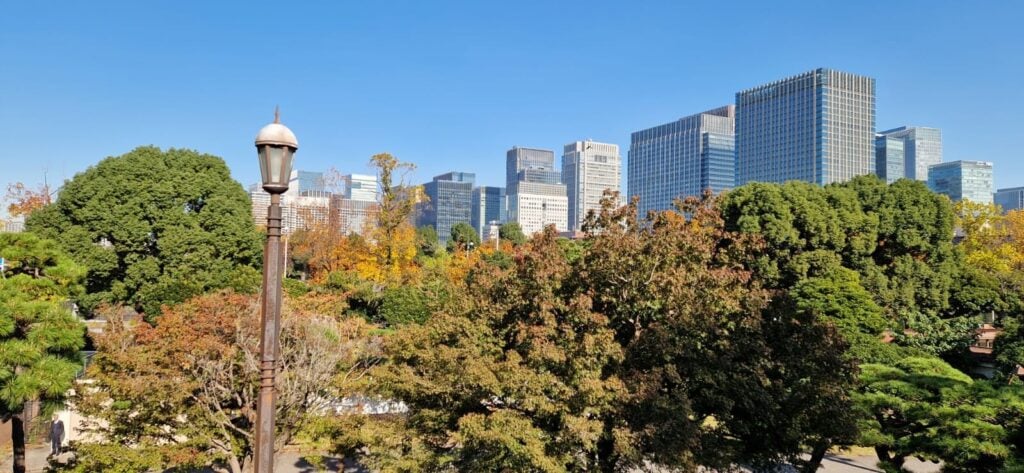
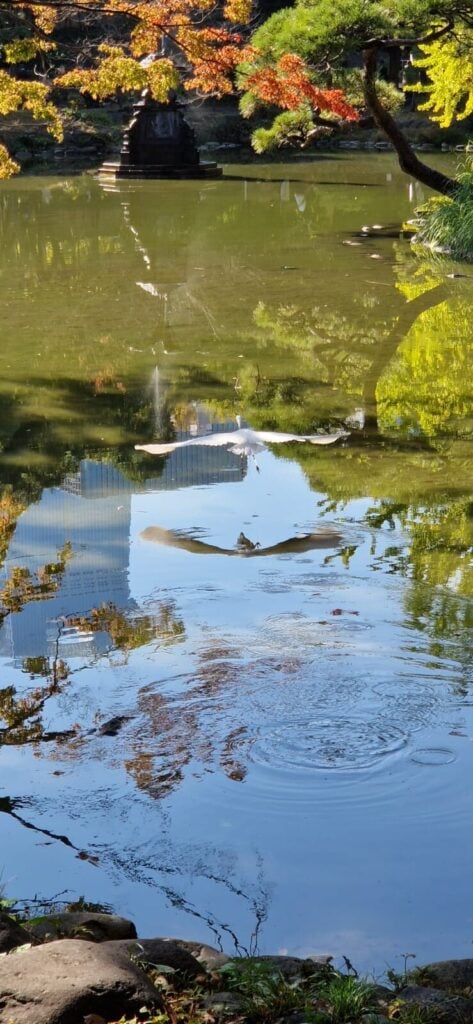
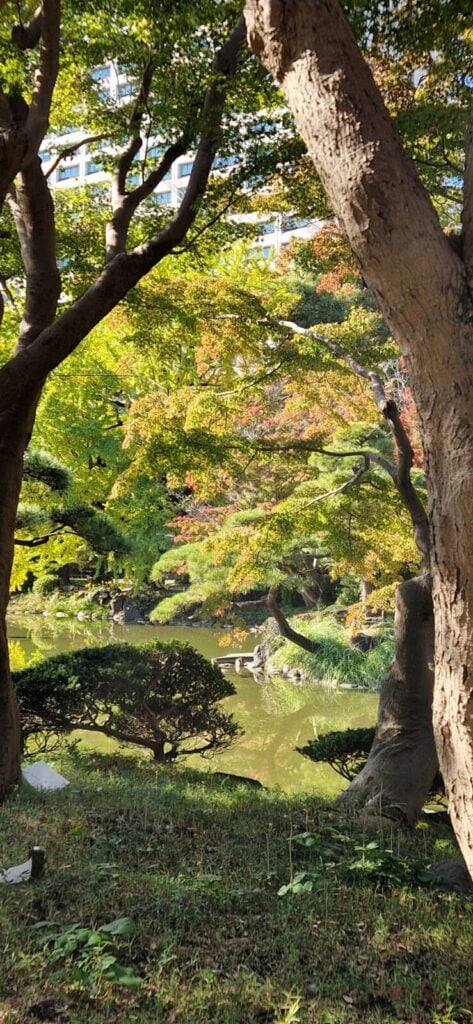
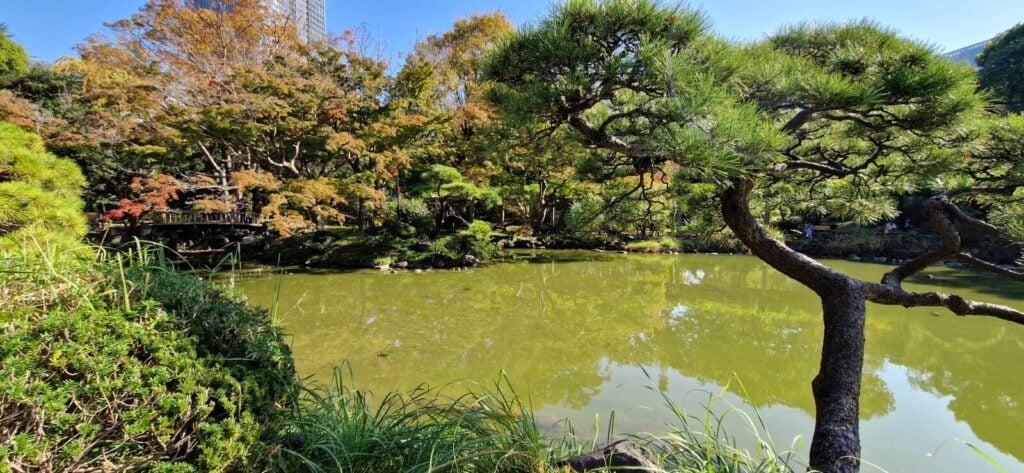
Opened in 1903, Hibiya Park is widely recognized as Japan’s first modern Western-style park. Its history reveals how a garden can become more than a place for recreation. It can express a city’s ambitions, introduce new ideas about public space and preserve traces of change in the middle of an expanding metropolis.
Hibiya Park history begins with a changing Tokyo
To understand Hibiya Park, it is useful to consider Tokyo during the Meiji period, which began in 1868. Japan was undergoing a major transformation, and the former Edo—renamed Tokyo—was becoming the political center of a modern nation-state. New forms of government, education, industry and international exchange were changing the appearance and rhythm of the city.
Urban parks formed part of this transformation. In many Western cities, public parks had become important civic spaces where people could walk, gather and encounter carefully designed landscapes. Tokyo’s planners and officials were interested in how similar spaces might contribute to a modern capital. Hibiya, located close to important government and administrative buildings, was particularly suited to this new role.
The park’s creation therefore represented more than the landscaping of an empty site. It reflected the desire to organize urban life according to new ideas about hygiene, leisure, civic culture and the relationship between nature and the modern city.
What makes Hibiya a modern Western-style park?
Traditional Japanese gardens and Western-style public parks are not opposites, but they often emphasize different experiences. Japanese garden design has historically paid close attention to framed views, seasonal change, symbolic landscapes and carefully controlled movement. Western civic parks, by contrast, often placed greater emphasis on broad paths, open lawns, public circulation and accessible recreation.
Hibiya Park brought elements associated with the latter model into Tokyo. Its layout combines planted areas, walking routes, water features and open spaces in a way that encourages movement through the landscape. The result is not a simple imitation of a European park. It is an example of cultural adaptation: international planning ideas were interpreted within the physical and social setting of Tokyo.
This blending of influences is one reason Hibiya Park remains important. It shows that modernization was not a one-way process in which Japan merely copied foreign models. Instead, new ideas were selected, adjusted and incorporated into existing urban traditions.
Gardens, monuments and the meaning of public space
Hibiya Park is also a place where historical meaning is carried by individual features. Water, trees and seasonal planting give the park a changing visual character, while monuments and fountains connect it to broader stories about technology, international relationships and public culture.
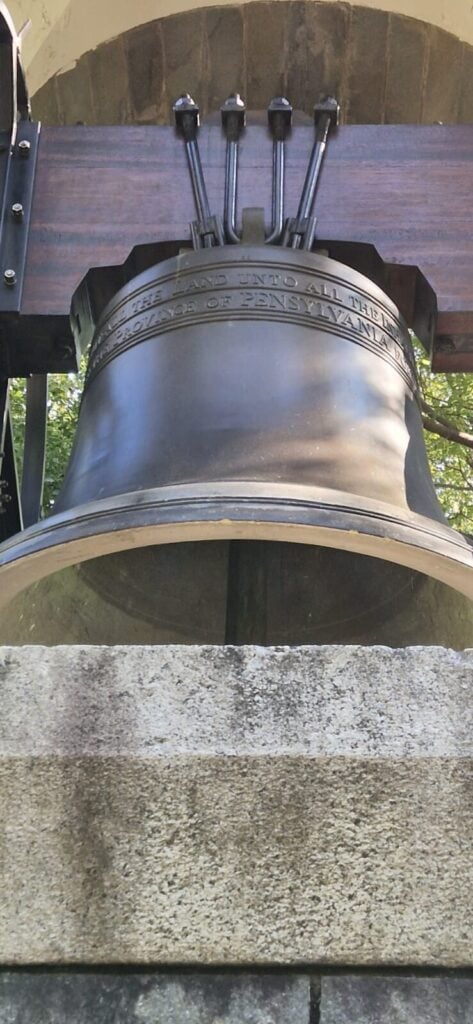
Among its recognizable landmarks is the Crane Fountain, whose design evokes a bird associated with longevity and good fortune in Japanese culture. The park also contains a replica of the Liberty Bell, a reminder of the international references that have long been part of modern Tokyo’s civic landscape. Such features invite visitors to read the park in several ways at once: as a garden, as a historical document and as a collection of symbols.
These landmarks also demonstrate how public spaces can communicate ideas without functioning like museums. A fountain or monument is encountered during an ordinary walk. Its meaning may be noticed gradually, alongside the everyday activities of residents, workers and visitors.
Hibiya Park and everyday life in Tokyo
The history of a public park is not limited to its official opening or its designed features. It also lies in the routines that develop around it. Hibiya Park has provided space for strolling, rest, seasonal observation and public gatherings within one of the most intensely developed parts of Tokyo.
This role makes the park significant in the history of Tokyo parks more generally. Urban greenery can support physical and social life even when it occupies a relatively small area. A park may offer shade during a working day, a route between buildings, a place to observe the seasons or a setting for encounters that would be unlikely on a crowded street.
Hibiya’s value is especially clear because of its surroundings. The contrast between tree-lined paths and the dense city is not accidental; it is the result of planning decisions that allow different urban experiences to exist side by side. The park does not remove Tokyo’s intensity. It gives that intensity a pause and a frame.
Why Hibiya Park still matters
Hibiya Park remains a useful lens through which to understand modern Japan because it brings together several stories: the development of Tokyo, the international influences of the Meiji era, the evolution of public leisure and the continuing importance of nature in urban life.
Its autumn landscape adds another layer to this history. Seasonal color is not merely decorative. It changes how the park is perceived, making visitors more aware of time, weather and the growth of the trees around them. In this way, Hibiya Park connects the long history of modernization with a present-day experience that is quiet, local and immediate.
For readers interested in seeing these connections as they appear on the ground, World Virtual Tours offers LIVE WALK in TOKYO: Autumn in Hibiya Park. Led by Patrizia B. with Yusuke, this LiveWalk explores the park’s autumn scenery, history and unexpected landmarks, including the Crane Fountain and the Liberty Bell replica. It is an opportunity to look more closely at how one historic green space continues to shape the experience of Tokyo today.


Explore the upcoming tour: LIVE WALK in TOKYO: Autumn in Hibiya Park


